
Have you ever wondered what kind of Philippines lies just beyond the crowded resorts and mainstream tourist traps?
Nestled right in the heart of the Pacific Ocean, the Philippines is much more than an archipelago of over 7,000 islands—it is a massive, living chronicle of history. From its prehistoric roots to the profound cultural marks left by Spanish, American, and Chinese influences, the story of this land reflects the incredible resilience and adaptability of its people.
But beyond the fascinating blend of Eastern and Western cultures, it’s the untamed wilderness that acts as the ultimate magnet for travelers. Despite the sheer force of typhoons and earthquakes, Mother Nature has sculpted this country into an absolute masterpiece. We’re talking majestic mountain ranges, lush, unspoiled rainforests, and totally unique ecosystems you won’t find anywhere else on the planet.
Today, we’re ripping up the generic travel itinerary. Join us on an epic journey to explore forgotten tropical paradises—places where nature still reigns supreme and raw beauty is kept completely intact.
1. The Chocolate Hills of Bohol – A Geological Marvel Beyond Imagination
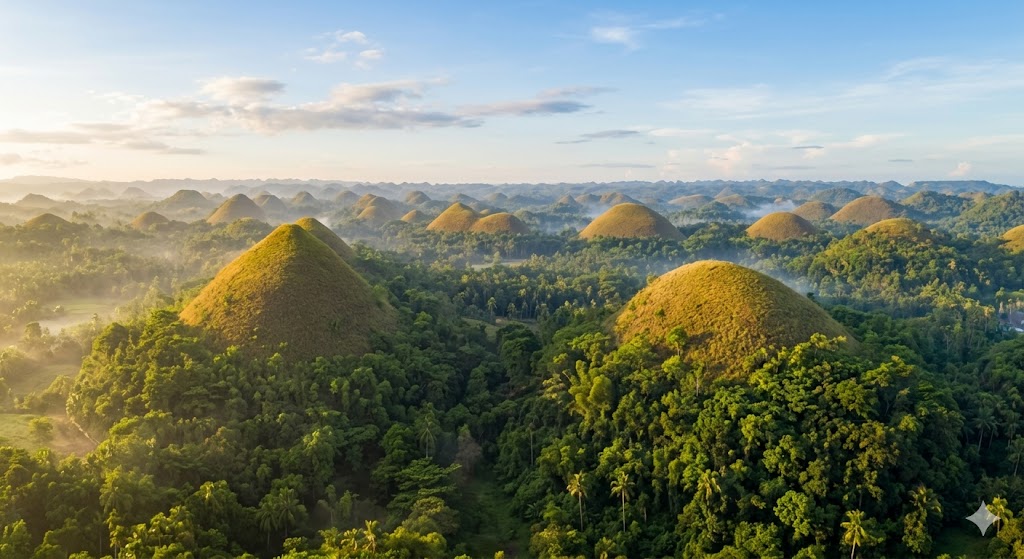
Our first stop is arguably one of the most bizarre and jaw-dropping natural wonders in the Philippines: The Chocolate Hills in Bohol.
Picture this: thousands of perfectly uniform, undulating hills rolling across a massive landscape as far as the eye can see. It is one of those surreal destinations that makes you question if you’re still on planet Earth.
What puts this landmark on the map is its dramatic seasonal transformation. During the dry season, the lush grass covering the mounds dries up and turns a deep, rich brown—making the landscape look exactly like giant chocolate kisses scattered across the plains. When the rainy season rolls back around, the hills burst back into a vibrant, lush green, showcasing nature’s incredible ability to reinvent itself.
The origin story of the Chocolate Hills is just as fascinating. Geologists believe these mounds were formed millions of years ago when ancient coral reefs and limestone deposits were relentlessly eroded by water and wind. A tour here doesn’t just offer insane panoramic views from the observation decks; it also leads you to crystal-clear natural springs where you can kick back, breathe in the fresh air, and soak up the pristine vibes of the wild.
2. Mount Mayon (Albay) – Flawless Beauty with a Destructive Edge
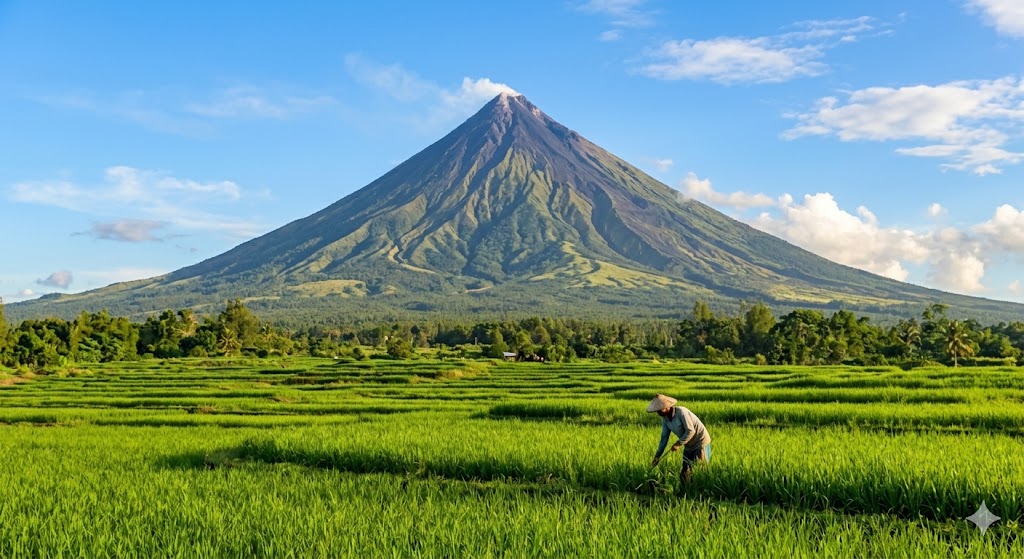
Leaving the sweet scenery of Bohol behind, we head to Albay province to witness one of the country’s most iconic and powerful symbols: Mount Mayon.
Mayon isn’t just one of the most highly active volcanoes in the Philippines; it’s globally renowned for its unbelievably perfect, symmetrical cone shape. Often dubbed the most beautiful volcano in the world, Mayon is an absolute must-see for photographers and thrill-seekers alike.
But here is the crazy part: behind that postcard-perfect exterior lies a history of immense, violent power. Mayon has erupted dozens of times, constantly reshaping the local landscape and altering the lives of the locals who call its foothills home. Despite the ever-present danger, the volcano provides a lifeline for thousands, enriching the surrounding land with highly fertile volcanic ash.
The ecosystem wrapping around Mayon is incredibly diverse, serving as a sanctuary for rare wildlife, including the critically endangered Philippine Eagle. Whether you’re catching a glimpse of its snow-capped peak in the winter or watching the summit catch fire during a brilliant sunset, Mayon perfectly embodies the terrifying yet magnificent bond between human survival and nature’s fury.
3. Kawasan Falls (Cebu) – Dive Into a Turquoise Wonderland
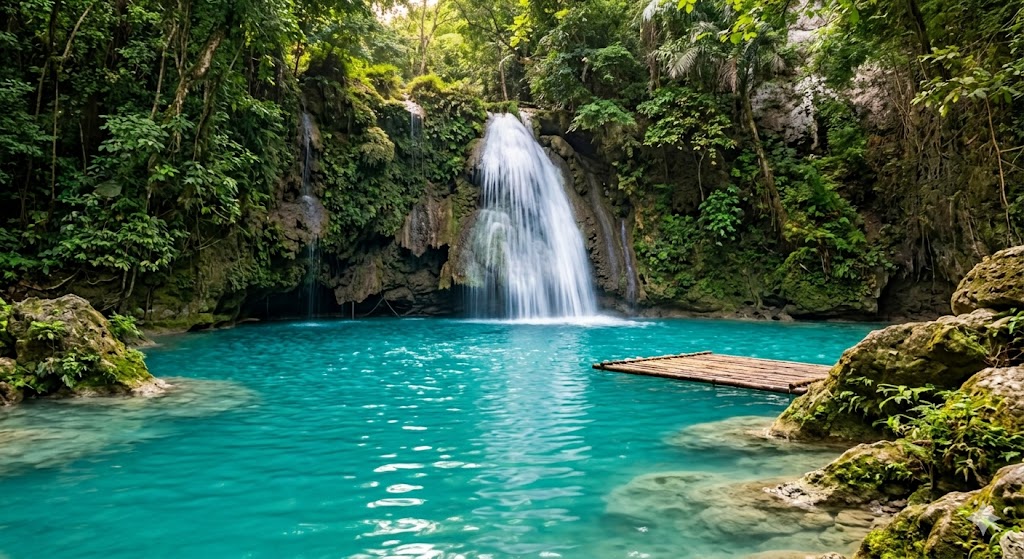
After facing the fiery energy of Mayon, it’s time to cool off at Kawasan Falls—one of the most famous and insanely photogenic waterfalls on the island of Cebu.
Tucked away amidst dense, emerald-green mountains, Kawasan Falls offers a tranquil escape from the hustle and bustle. The waterfall features three main tiers, with the highest dropping roughly 40 meters (130 feet), sending gentle ripples across the boulders below.
The real showstopper here? The water’s unreal turquoise hue. No, it’s not an Instagram filter; it’s a natural phenomenon caused by the perfect mix of limestone minerals and dappled sunlight. For adrenaline junkies, Kawasan is ground zero for epic canyoneering adventures. If you prefer to chill, you can rent a bamboo raft or kayak and glide across the icy, refreshing water. Tucked inside Kawasan National Park, the surrounding jungle acts as a natural sanctuary, protecting native flora and fauna while keeping the local ecosystem completely unspoiled.
4. Puerto Princesa Underground River (Palawan) – An Epic Subterranean Journey
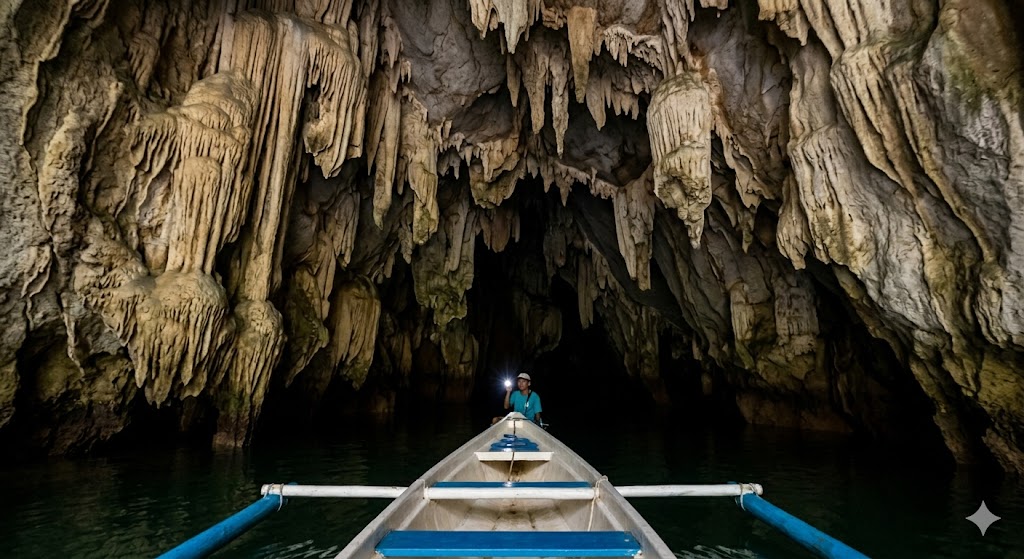
No off-the-beaten-path travel guide would be complete without mentioning a literal wonder of the natural world: the Puerto Princesa Underground River in Palawan. Recognized as a UNESCO World Heritage site, this 5-mile-long subterranean river is a geological treasure chest.
Originating deep within the St. Paul Mountain Range, the river snakes its way through a series of massive, pitch-black limestone caves completely decked out with million-year-old stalactites and stalagmites. Visitors can hop on small paddle boats and glide effortlessly into this fascinating, eerie underground world.
The biodiversity inside the cave system is mind-blowing. This lightless environment is home to thousands of bats clinging to the cavern ceilings, as well as unique insects and creatures that have evolved entirely in the dark—creating a biological bubble totally isolated from the outside world. Beyond the science, the river holds deep spiritual significance for the locals, who have celebrated its sacred waters with traditional festivals for generations.
5. Banaue Rice Terraces (Ifugao) – A 2,000-Year-Old Agricultural Masterpiece
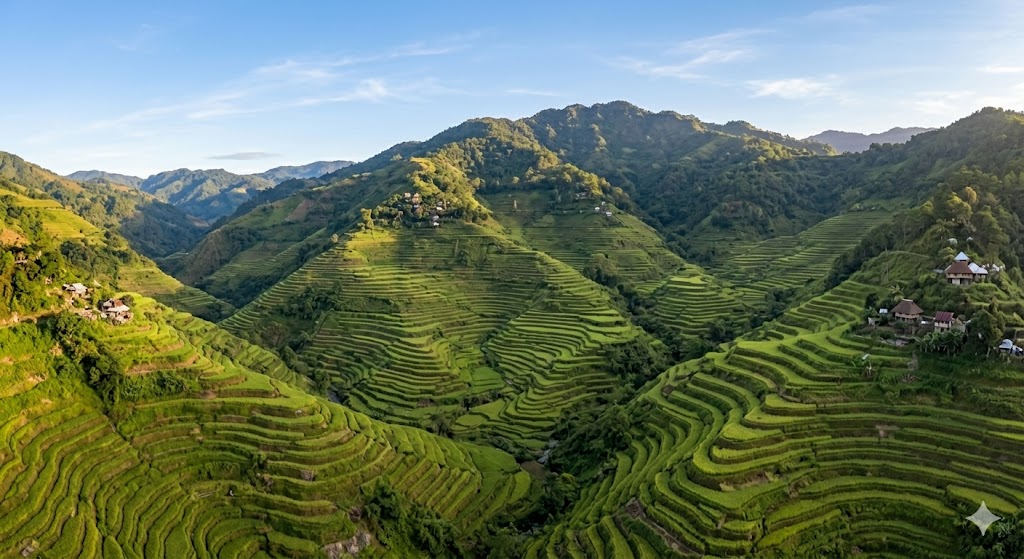
Heading up into the crisp air of the northern mountains, we arrive at the Banaue Rice Terraces in Ifugao. Widely referred to as the “Eighth Wonder of the World,” these terraces are the ultimate testament to human ingenuity, grit, and perseverance.
Carved directly into the steep, unforgiving mountain slopes over 2,000 years ago, these terraces were built entirely by hand. To sustain rice farming in such a harsh, high-altitude environment, the indigenous Ifugao people engineered a brilliant, gravity-fed irrigation system. Water from ancient rainforests high above is channeled down through a complex web of bamboo pipes and canals, keeping the soil rich and fertile year-round.
Banaue is way more than just a farm; it is a living, breathing cultural heritage site. Whether you’re hiking to the highest ridges for a panoramic view of the cascading green steps, or trekking along narrow dirt paths to visit traditional Ifugao villages, you’ll instantly feel connected to a timeless way of life that is still thriving today.
6. Boracay Island – The Epitome of Pristine White Sand
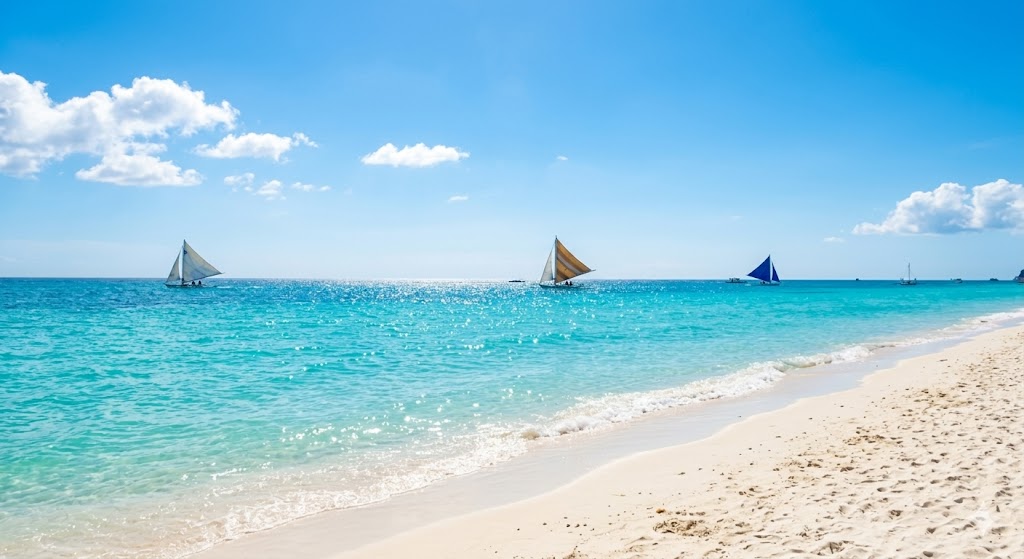
After all that trekking, it’s time to treat yourself to a world-class beach getaway on Boracay Island. Located in the Western Visayas, Boracay has been a bucket-list destination for global nomads for decades.
Boracay boasts something that very few beaches in the world have: powder-fine, blindingly white sand that stretches for over 4 kilometers along White Beach. And here’s the kicker—because the sand is largely composed of crushed coral and algae, it doesn’t absorb the sun’s heat. You can walk barefoot at high noon without burning the soles of your feet!
But Boracay isn’t just about lounging with a coconut in hand. It’s an adventure hub loaded with epic water sports, from kite surfing to parasailing. And when the afternoon rolls around, the island puts on a show. Boracay sunsets are legendary, painting the sky in intense shades of fiery orange, deep red, and violet. It is a romantic, mystical daily event that every single traveler looks forward to.
7. Vigan City – A Horse-Drawn Carriage Ride Back in Time
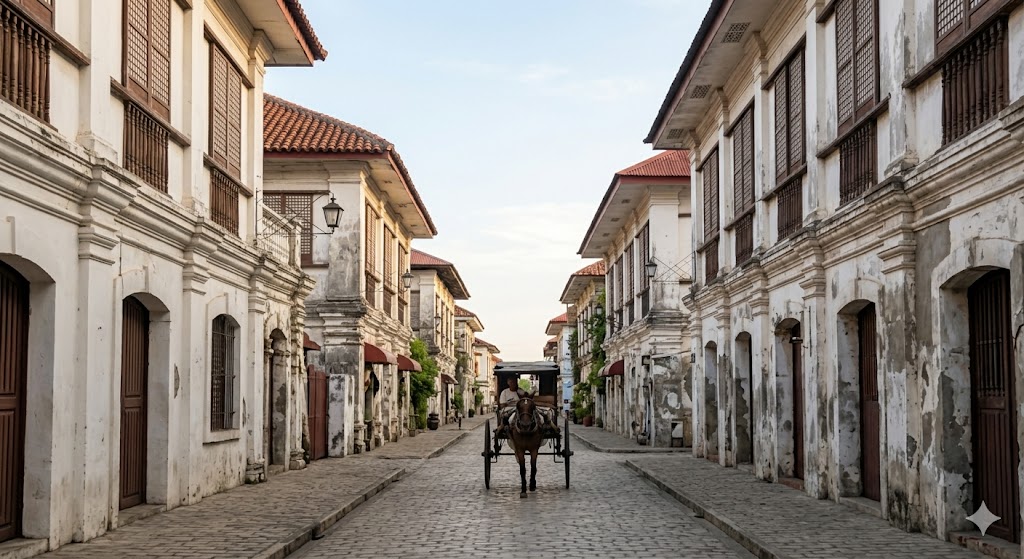
Trading the ocean breeze for a heavy dose of nostalgia, we rewind the clock in Vigan City, located in Ilocos Sur. Crowned as a UNESCO World Heritage site, Vigan is the best-preserved example of a planned Spanish colonial town in all of Asia.
Strolling down its famous cobblestone streets, you’re hit with a wave of historic charm. The heritage houses here are a seamless fusion of Spanish architecture and local building materials—think thick brick walls, sturdy wooden beams, and classic red-tiled roofs. The intricately carved windows and sweeping balconies aren’t just housing; they are literal works of art.
For the ultimate Vigan experience, you have to hail a Kalesa (a traditional horse-drawn carriage). Clip-clop your way down Calle Crisologo, pop into local artisan shops, and gorge on killer street food like crispy Ilocos Empanada and garlicky Longganisa sausage. During local festivals, this sleepy, time-capsule city explodes with color, parades, and a vibrant showcase of its unique cultural mashup.
8. Siargao Island – Asia’s Undisputed Surfing Capital
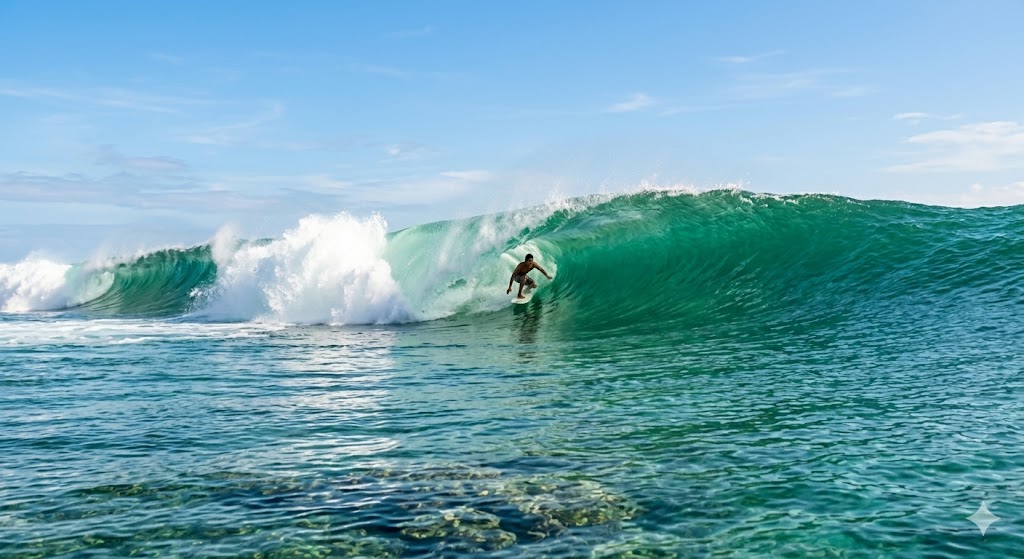
Shaped like a teardrop and located off the eastern coast of Mindanao, Siargao Island has blown up as the ultimate mecca for the global surfing community. The crown jewel here is Cloud 9, a legendary surf break famous for its thick, hollow tubes that host international surfing competitions year-round.
But wait—what if you don’t surf? Siargao is still a total paradise. It’s an island defined by a laid-back, barefoot luxury vibe. Beyond the breaks, you can island-hop to untouched white-sand beaches, explore deep underground cave pools, or head to Sugba Lagoon. Surrounded by massive limestone cliffs and dense mangroves, this emerald lagoon is the perfect spot for stand-up paddleboarding, cliff diving, or simply floating in absolute silence far away from city life.
9. Palawan and El Nido – The Ocean’s Masterpiece
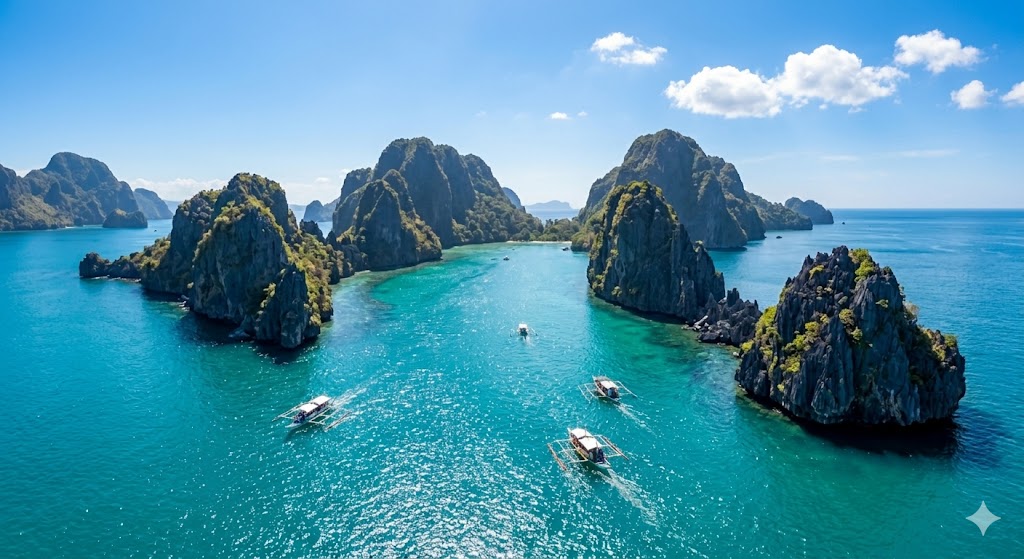
We absolutely cannot write a Philippine travel guide without dedicating a massive chunk of it to Palawan, a province consistently voted the “Best Island in the World” by top-tier travel magazines. The beating heart of Palawan is El Nido, famous for Bacuit Bay—a mesmerizing maze of hidden lagoons, secret beaches, and towering karst limestone cliffs shooting straight out of the jade-green water.
Palawan is also the ultimate holy grail for marine biodiversity. The Tubbataha Reefs Natural Park—another UNESCO World Heritage site—offers some of the most mind-blowing scuba diving on the planet, teeming with untouched coral walls, manta rays, and reef sharks. If you prefer to stay above water, remote spots like Nacpan Beach or Duli Beach offer miles of empty coastline where you can disconnect, surf, or kayak in total peace.
10. Siquijor Island – The Enchanted Isle of the Visayas
Our journey through the unseen and untouched corners of the Philippines wraps up in a place shrouded in mystery: Siquijor Island, located in the Central Visayas.
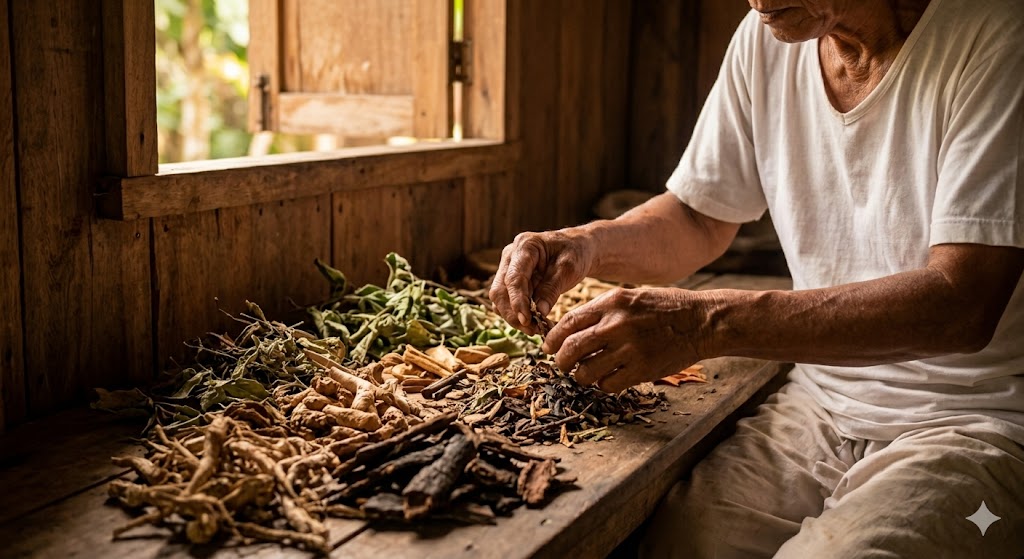
For generations, Siquijor has been known among Filipinos as the “Island of Magic.” It’s steeped in spooky folklore, unsolved mysteries, and tales of traditional healers, shamans, and mystical potions. To this day, locals practice ancient healing rituals and herbal medicine to ward off bad spirits and invite good fortune.
But if you strip away the supernatural rumors, you’re left with an island of staggering, untouched beauty. Salagdoong Beach features gin-clear water and world-class cliff diving spots. Inland, you’ll find Cambugahay Falls and Lugnason Falls, where crystal-clear mountain water cascades down rocky tiers into stunning, natural swimming pools. With its mystical vibe and quiet, uncommercialized nature, Siquijor is the absolute perfect place to wash off the dust of your travels and find inner peace.
Final Thoughts
From the surreal, rolling mounds of the Chocolate Hills and the proud, fiery peak of Mayon, to the powdery shores of Boracay and the prehistoric underworld of Palawan, the Philippines proves time and time again why it is an elite travel destination. This country is not just a place you visit; it’s an experience that forces you to appreciate the brilliant harmony between raw, untamed nature and rich human history.
Are you ready to see these tropical paradises with your own eyes? Bookmark this ultimate guide for your future itinerary, pack your bags, and get ready to get off the grid.
Have a favorite spot on this list, or know a secret Philippine gem we missed? Drop a comment below and let us know!